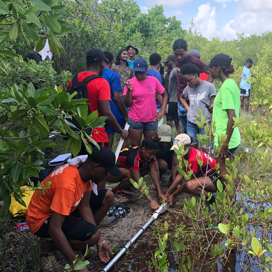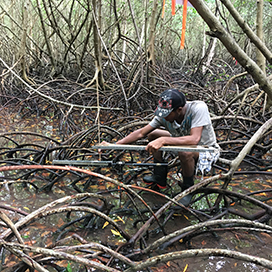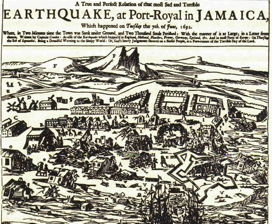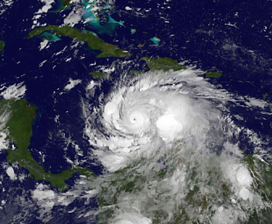
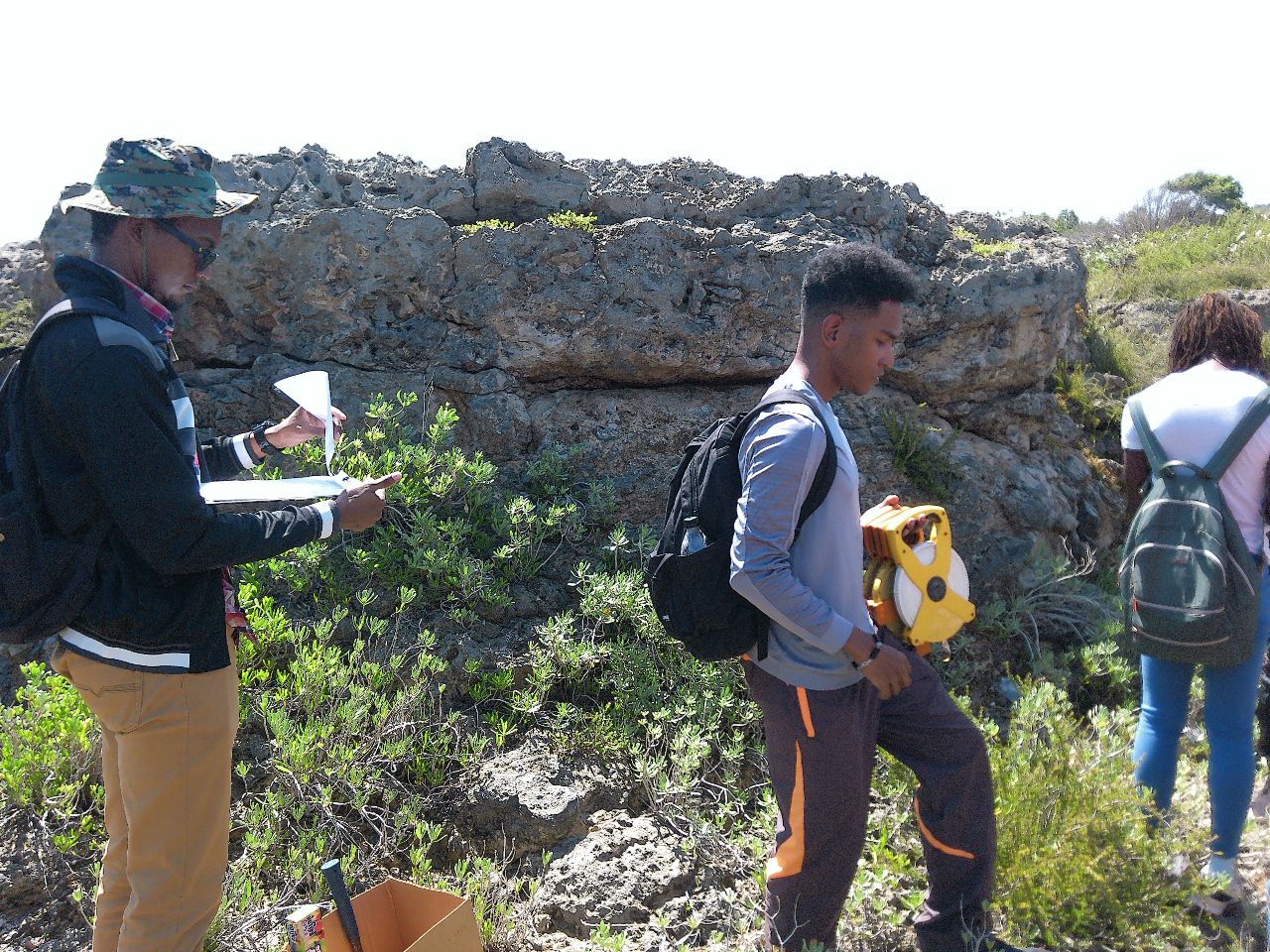
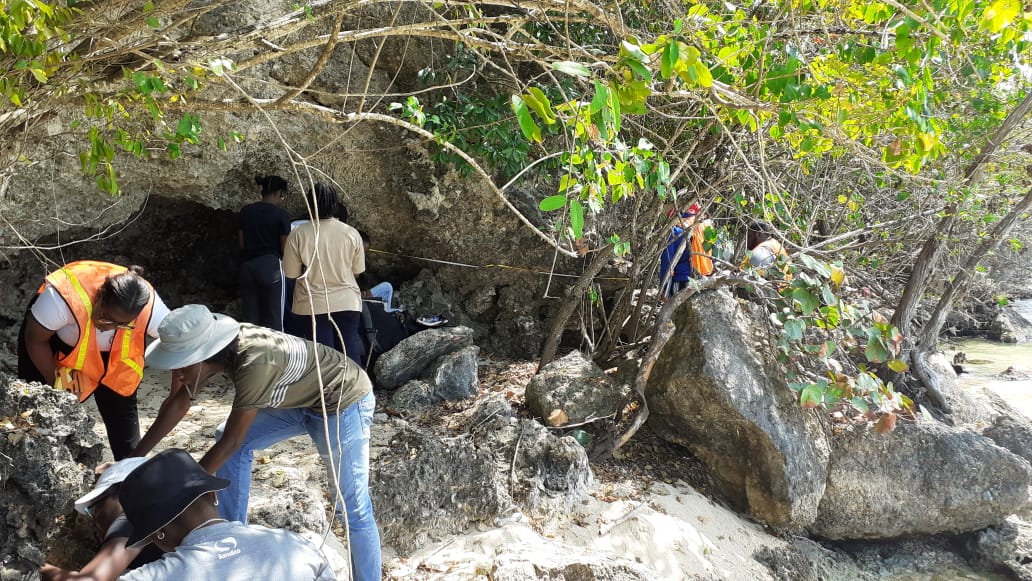
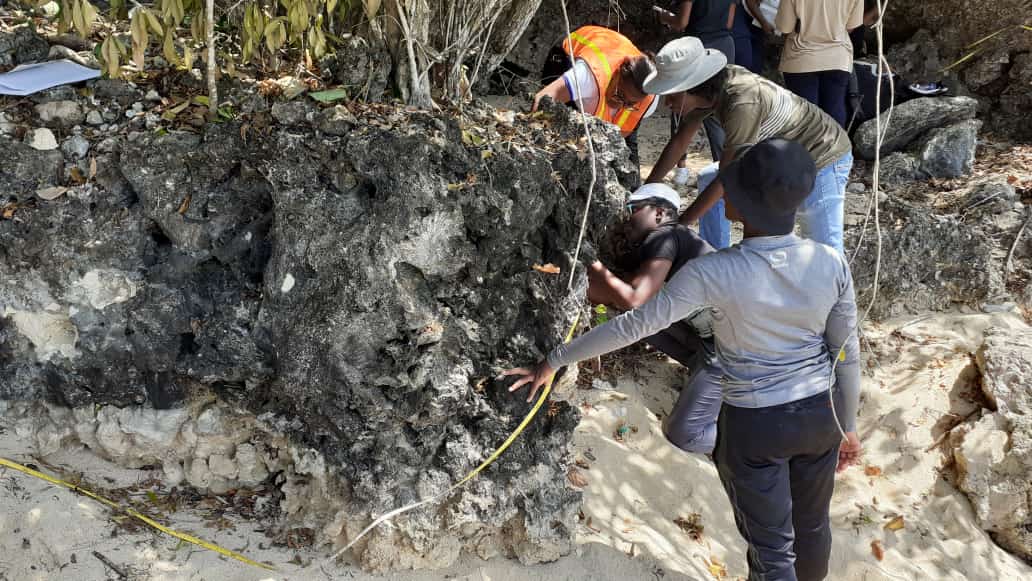
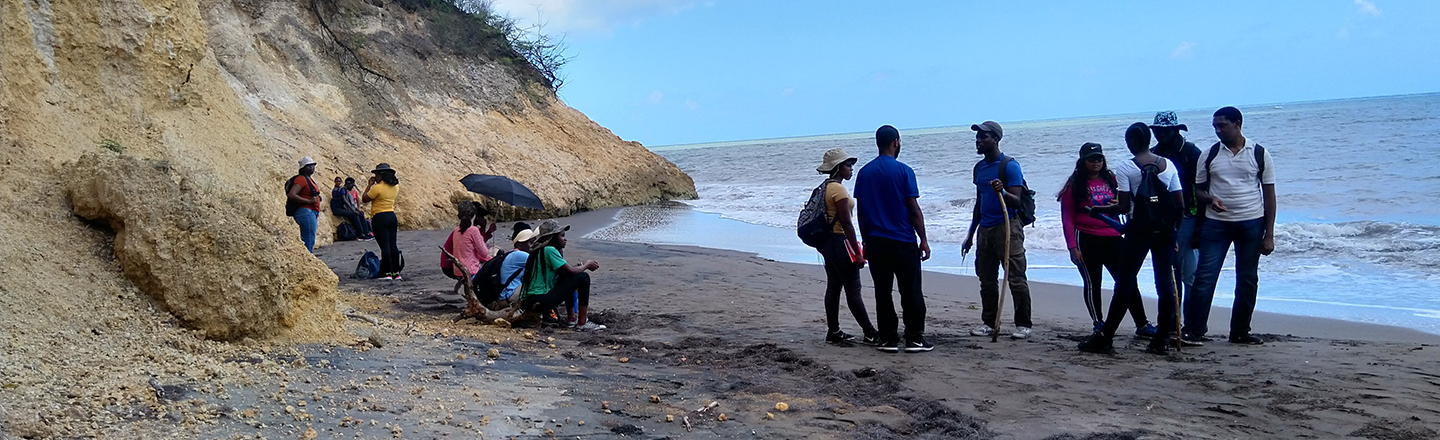
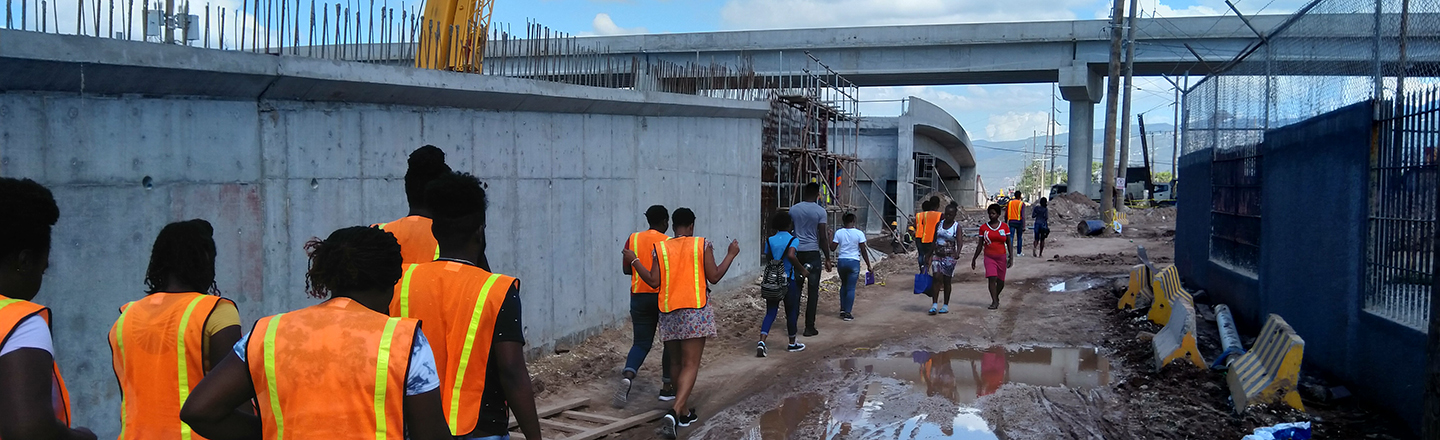


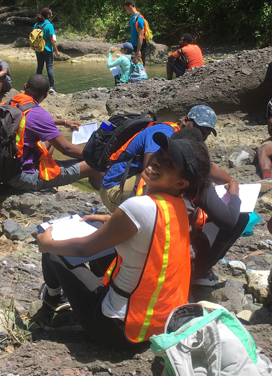
Welcome to the Department of Geography and Geology, a diverse scholarly community of researchers, teachers, students and administrators working to provide regional solutions to global environmental problems. We are proud of our long legacy of quality research, teaching and public engagement and of our position as a regional hub of inter-disciplinary research. Our specialisms span the Geosciences and Humanities and we address some of the most pressing concerns facing the Caribbean today including environmental and climatic change, urban and rural development, coastal dynamics, natural hazards, water resources and environmental management.
Our undergraduate programmes encompass the study of the earth, its structure and physical properties as well as the complex relationships between people and their environments.
In a ground-breaking achievement for Caribbean academia, Professor Simon Mitchell of the Department of Geography and Geology is the 2023 recipient of the 2023 W.
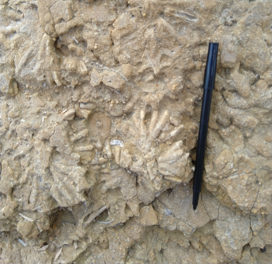
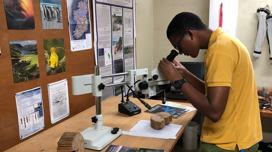
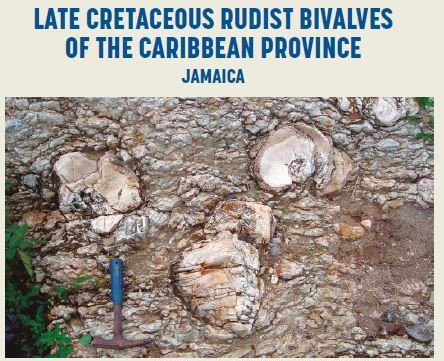
The University of the West Indies Geology Museum (UWIGM) is located on the ground floor of the De la Beche Building, Department of Geography and Geology. The UWIGM was established in 1969 as a facility to house Department's geological collections, and was opened to the public in 1970.
Our 7 faculties and 12 professional schools offer more than 200 programmes to some 18,000 graduate, undergraduate and continuing studies students.
The UWI, Mona ranks first in Jamaica among accredited tertiary-level programmes. In 2012, the University was again one of Jamaica’s Top 100 Employers.