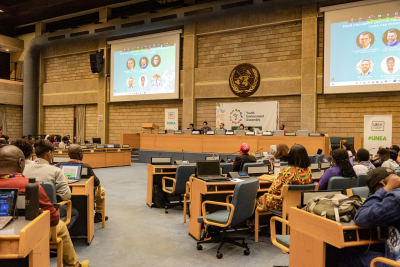
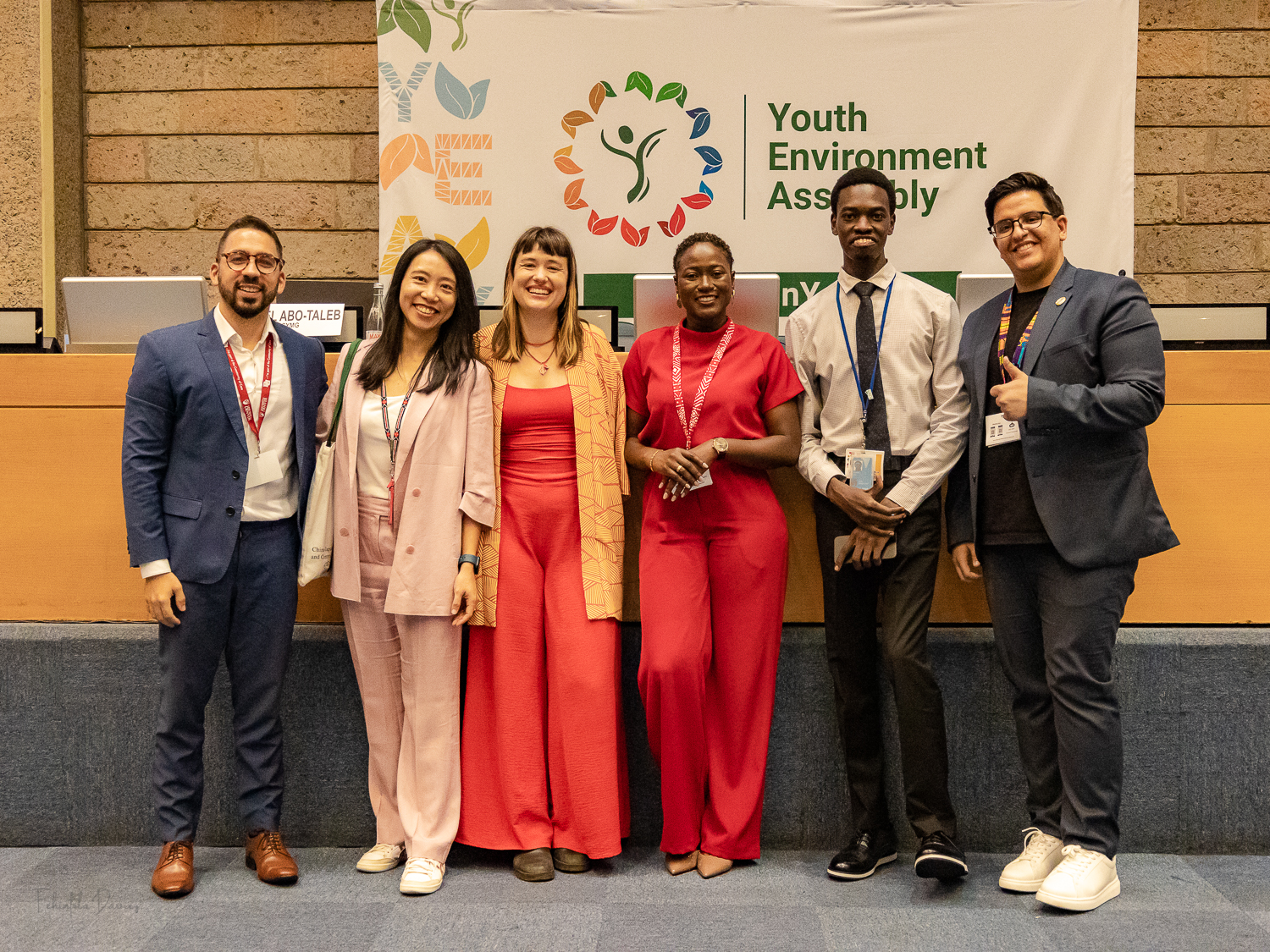
The Youth Environment Assembly (YEA) 2025 hosted a side event titled GEO-7 Explained: Insights for Youth from UNEP’s Flagship Assessment on November 30, 2025 at UNEP Headquarters, Nairobi. The session aimed to engage young changemakers in understanding the Global Environment Outlook’s seventh edition (GEO-7) and how it could be applied to advocacy, education, and policy engagement. GEO-7, UNEP’s flagship science-based assessment, provides insights on the state of the environment, policy effectiveness, and potential future scenarios. Mandated by UNEA Resolution 5/3, the report is scheduled for launch at UNEA-7 in December 2025.
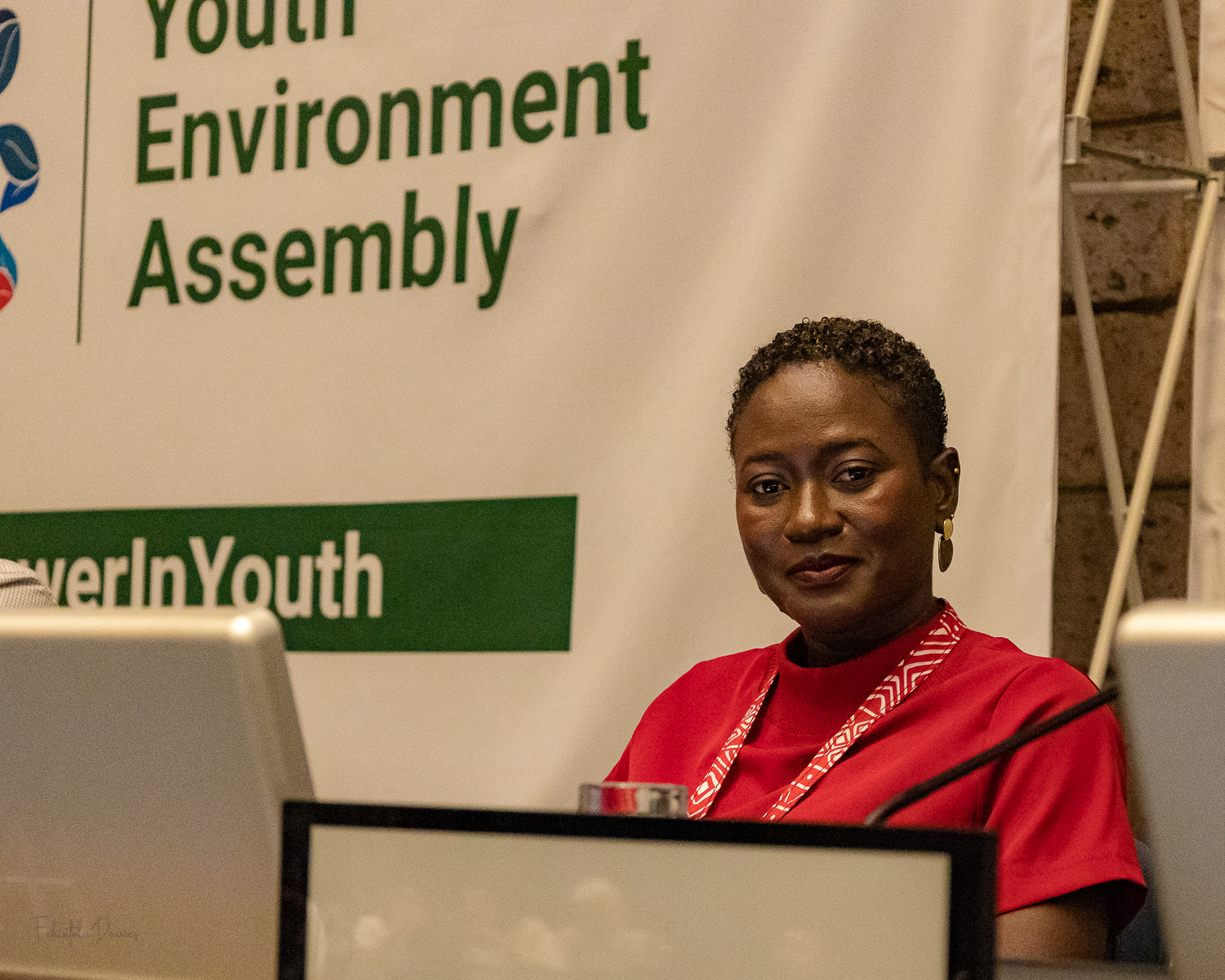
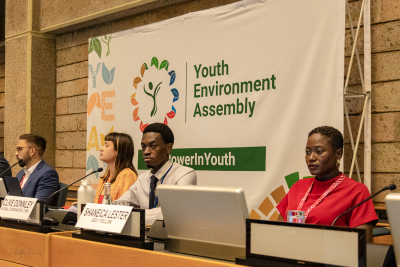
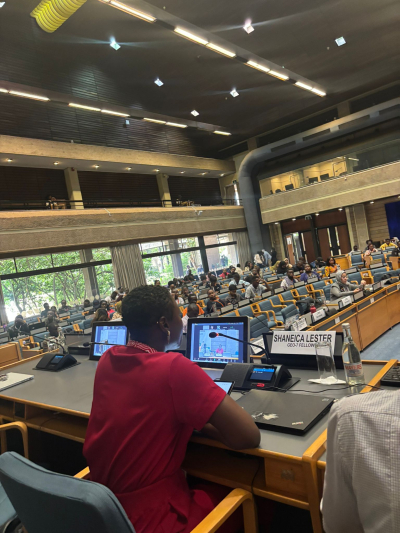
Among the speakers was Dr. Shaneica Lester, lecturer in the Department of Geography and Geology, Faculty of Science and Technology, The University of the West Indies, Mona Campus and GEO-7 Fellow who shared her experience bridging youth perspectives with scientific insights during the report’s development. Shaneica highlighted how the GEO-7 Fellowship Programme empowered young professionals to actively contribute to a major UN environmental assessment, emphasizing the importance of youth participation in shaping global environmental policy.
Photo 1
Photo 2
Photo 3
Photo 4
Photo caption (1-4): Dr. Shaneica Lester serving as a speaker at YEA, 2025
The session was moderated by Aseel Abo-Taleb, GEO-7 Fellow, and featured other panel of experts including Adele Roccato (GEO-7 Secretariat), Arthur Eijs (GEO-7 IMAG Co-chair), Jaee Nikam (GEO-7 Lead Author), Arthur Silva (GEO-7 Fellow), Clive Donnley (Global Coordinator, UNEP Children and Youth Major Group).
A highlight of the event was the GEO-7 Fellowship Programme, which engaged over 40 early-career professionals and youth, including Shaneica, in the report’s preparation. The programme showcased a model of meaningful youth involvement in science-policy processes, from drafting content to contributing to Indigenous and Local Knowledge dialogues.
The session successfully increased awareness among youth about GEO-7 and its relevance to UNEA-7, strengthened participants’ capacity to apply the report in advocacy and campaigns, and amplified the visibility of youth contributions through the fellowship model. The discussion also laid a stronger foundation for youth input into UNEA-7, including the Global Youth Declaration.
Through her contributions, Dr. Lester demonstrated that youth can serve as both creators and communicators of scientific knowledge, paving the way for a new generation of environmental leaders to actively engage in policy, research, and advocacy.